Niché sur la colline des Lauves à Aix en Provence, l'atelier de Cézanne a vu naître des dizaines de chef d'œuvres, aujourd'hui conservées dans les plus grands musées du monde dont les célèbres " Grandes Baigneuses " ou les nombreuses " Sainte Victoire ". Un atelier presque intact, où plane encore l'intimité du " père de la peinture moderne " et où rôdent les mystères de sa créativité.
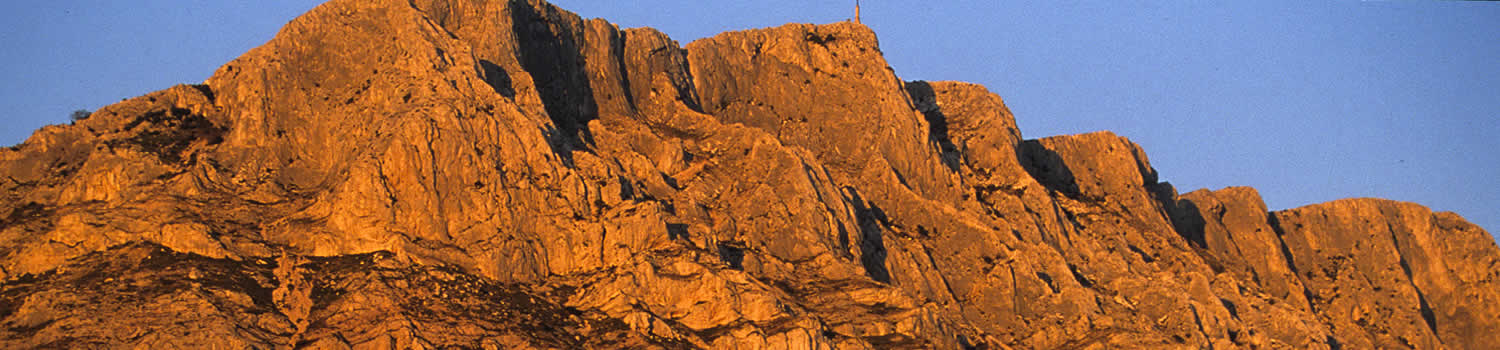
2000 francs : c'est la somme dépensée par Cézanne en 1901 pour acquérir une vieille ferme et 7000 m² de terrain, sur la commune d'Aix en Provence. Sur la colline des Lauves, planté d'oliviers et de figuiers, bordé par le canal du Verdon, ce terrain offre un panorama unique sur la montagne Sainte Victoire. Cézanne y commande, d'après ses propres plans, la construction d'un atelier. Après dix mois de travaux, en septembre 1902, il y emménage et y regroupe tous les objets qui lui sont chers.
Derrière un portail de bois, dans un jardin " dont la pente va se perdre dans un ruisseau ", la demeure est une bastide provençale que le soleil semble cuire. Au rez-de-chaussée, deux salons, un cabinet de toilette, une cuisine et un petit office. A l'étage, l'atelier à proprement parler, éclairé au sud par deux grandes fenêtres et au nord par une vaste verrière. C'est là qu'il travaille chaque jour durant les quatre dernières années de sa vie.
Chaque matin, en toute saison, il quitte son appartement de la rue Boulegon, qu'il partage avec son épouse Hortense. De six heures du matin à cinq heures de l'après-midi, il travaille dans son " grand atelier à la campagne ". " J'y suis mieux qu'en ville. " écrit-il au marchand d'art Ambroise Vollard en 1903 " Dans tous les coins, des toiles traînaient encore tendues sur leurs châssis ou roulées. (…) Son atelier était dans un grand désordre. " notent les écrivains Rivière et Schnerb, reçus par Cézanne en 1905. L'atelier des Lauves a vu naître les ultimes œuvres du peintre : les grandes baigneuses, le portrait du jardinier Vallier, vues du jardin, natures mortes…
Atelier de Cézanne à Aix en Provence
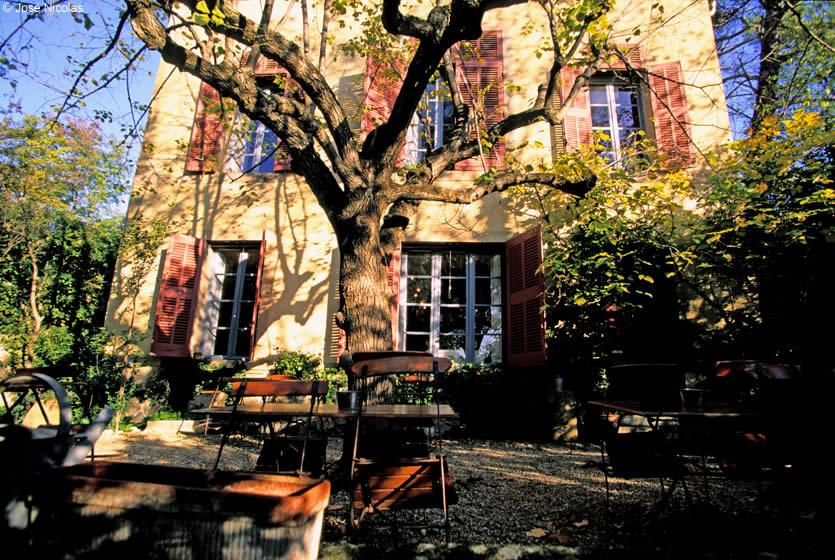
La Bastide des Lauves abrite l'atelier de Cézanne
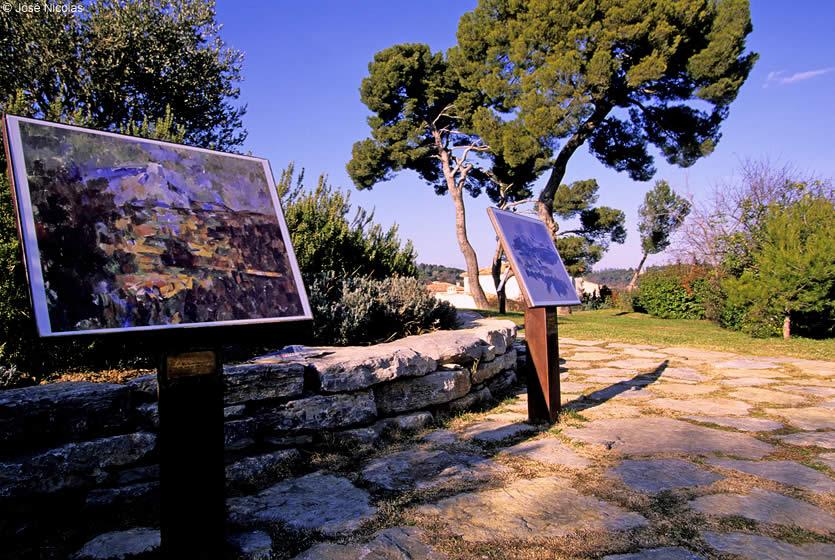
Terrain des peintres, les Lauves
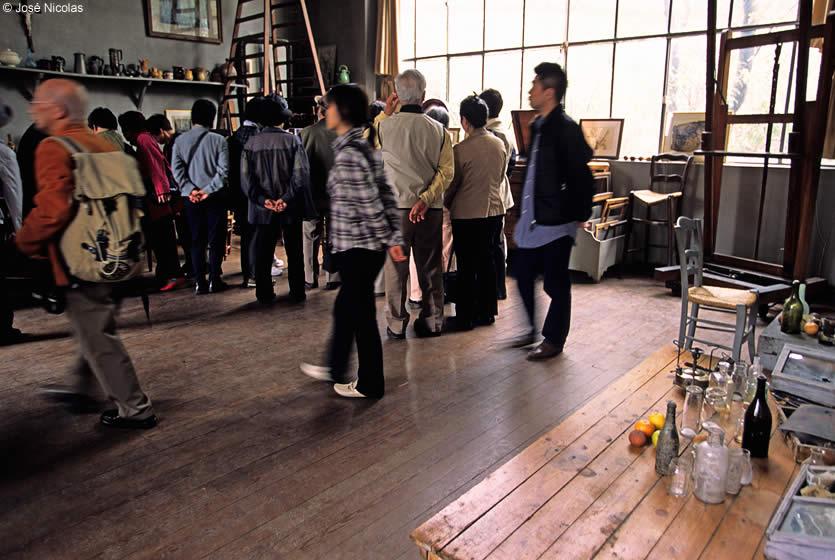
Visites guidées de l'atelier de Cézanne
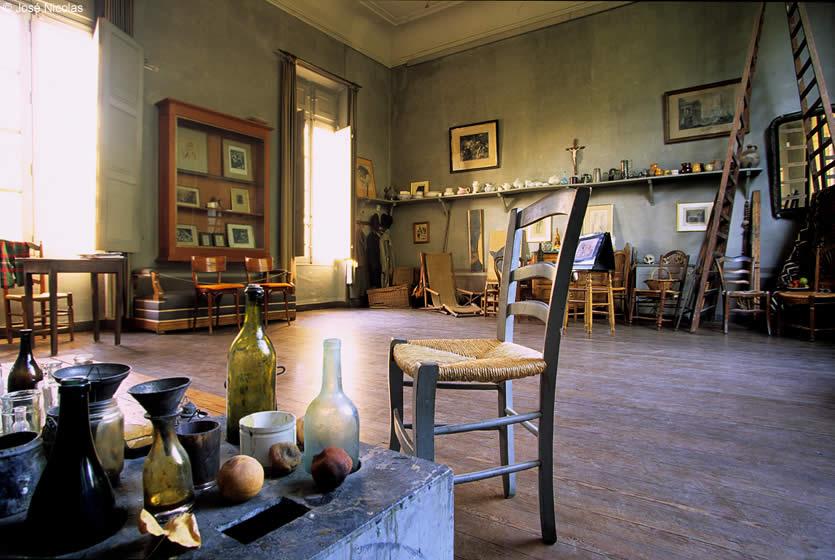
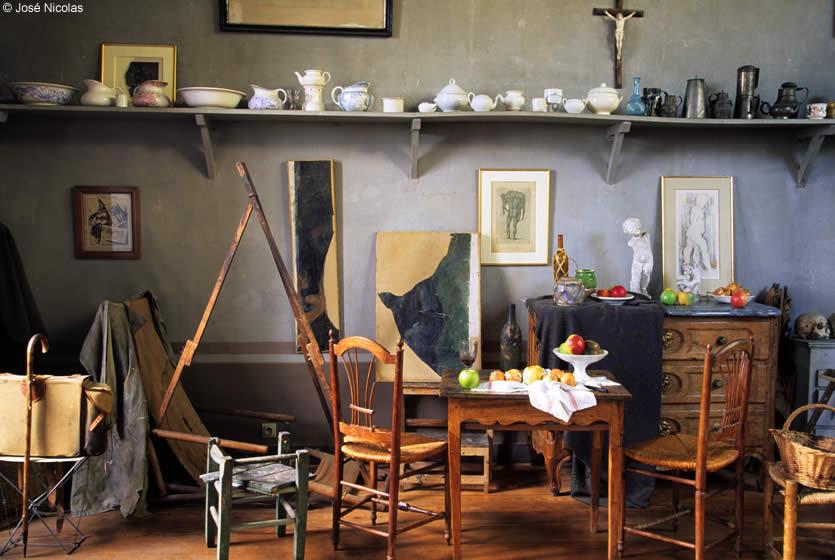
L'atelier des Lauves et les objets familiers de Cézanne
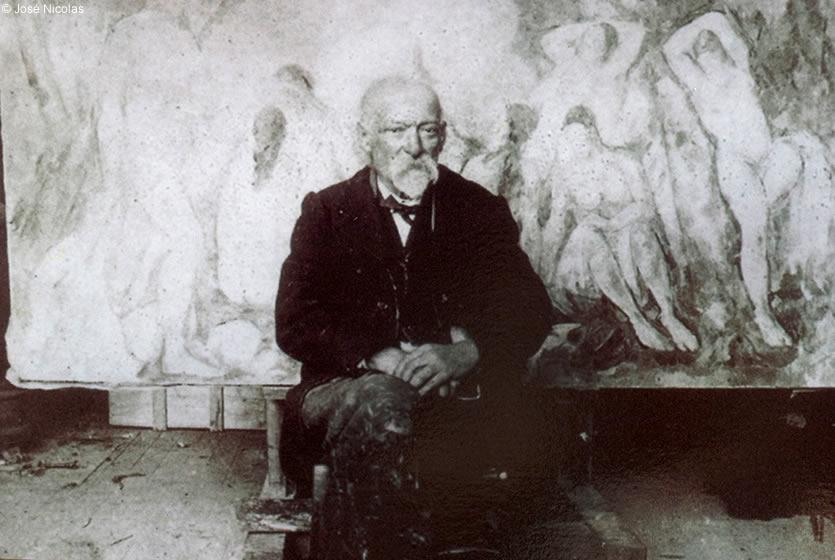
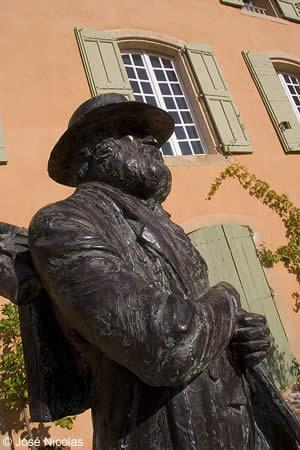
Paul Cézanne devant le tableau des Grandes baigneuses
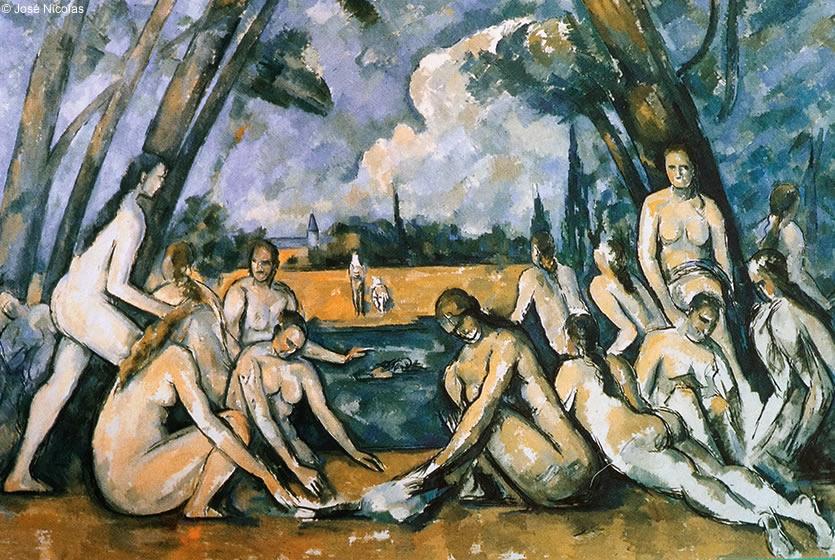
Les Grandes Baigneuses de Cézanne
Dans cet atelier de lumière et de silence, personne n'entre que lui. Il se retire dans son abri, un lieu de recueillement et de travail où l'on ressent encore aujourd'hui avec intensité la présence du peintre.
Les jours de pluie ou de grand froid, il reste là, au milieu de ces objets familiers qui sont devenus les modèles de ses natures mortes : quelques faïences, des bouteilles, des vases, des fleurs en papier ou des étoffes, des fruits, des pommes surtout, ainsi que des crânes et le petit " amour " en plâtre. " On croit qu'un sucrier ça n'a pas une physionomie, une âme. Mais ça change tous les jours. " écrit Cézanne au poète Joachim Gasquet. " Il faut savoir les prendre, les amadouer, ces messieurs là. Ces verres, ces assiettes, ça se parle entre eux. (…) Nos objets nous soulèvent. Un sucrier nous en apprend autant sur nous et sur notre art qu'un Chardin ou un Monticelli. "
Par beau temps, il part peindre "sur le motif". A l'abri de son chapeau noir ou d'une ombrelle, il plante son chevalet face à la Sainte Victoire, au sommet de la colline des Lauves, le panorama le plus élevé sur sa montagne chérie. "Il y aurait des trésors à emporter de ce pays qui n'a pas encore trouvé un interprète à la hauteur des richesses qu'il déploie", écrit-il à Choquet, un fonctionnaire amateur d'art devenu son ami.
Près de là se trouve un olivier, remarqué par Cézanne avant même l'achat du terrain. Durant les travaux, il l'avait fait entouré d'un petit mur, pour le protéger. Cézanne le touche, lui parle, l'embrasse parfois. "C'est un être vivant, je l'aime comme un vieux camarade. Il sait toute ma vie et me donne d'excellents conseils" écrit-il à Joachim Gasquet.
Le 15 octobre 1906, alors qu'il peint le cabanon de Jourdan, situé non loin de l'atelier, Cézanne est surpris pas un orage. Il continue à peindre et, trempé jusqu'aux os, s'évanouit. Cézanne voulait mourir en peignant. Il s'éteindra huit jours plus tard, atteint d'une pleurésie.
Le Musée
Après sa mort, l'atelier fermé, oublié, s'endort sur le quotidien du peintre. Ses objets sont là : matériel de peintre, vêtements, modèles de natures mortes. En 1921, Marcel Joannon – dit Marcel Provence – un félibre provençal, le rachète. Fervent admirateur de l'ancien propriétaire, il n'occupe que le rez-de-chaussée. Il conserve à l'étage atelier tel que Cézanne l'a laissé, persuadé de sauvegarder un " patrimoine précieux, une richesse spirituelle attachée à ces murs, à ce jardin. "
"Tout évoquait si fortement la présence du peintre que j'en fus troublé ", raconte Adrien Chappuis après sa visite de l'atelier. "Ma compréhension habituelle de l'artiste me parut tout à coup déplacée, l'image de Cézanne que sa peinture et les livres m'avaient fait concevoir – tout s'effaça devant le choc de la présence de l'homme très simple et un peu irritable qui avait travaillé, vécu, souffert ici."
Désormais propriété de l'Office du Tourisme Aixois, le Musée Atelier de Cézanne accueille les visiteurs désireux de se rapprocher de l'homme qu'était Cézanne. Un endroit où la simplicité humaine et quotidienne du peintre apparaît encore. L'atelier Paul Cézanne n'abrite aucune œuvre de l'artiste. C'est Cézanne lui même que le visiteur vient chercher en ces lieux.
Atelier Paul Cézanne - 9, avenue Paul Cézanne - 13090 Aix en Provence
+33 (0)4 42 21 06 53
http://www.atelier-cezanne.comLes autres hébergements
Chambre d'hôtesArt de vivre
Recettes provençales, marchés de provence, traditions de Noel, savoir-faire...