On the table lit by 3 candles,
symbol of the Trinity, and decked with the dish of the wheat
corn of Sainte Barbe - wheat or lentil, symbol of rebirth -
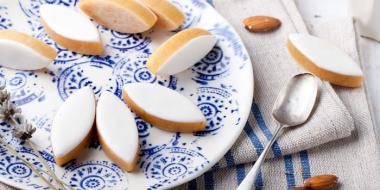
are arranged the Thirteen desserts, symbol of Christ and the
12 apostles.
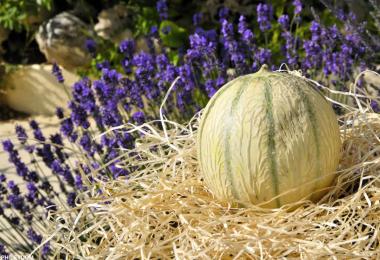
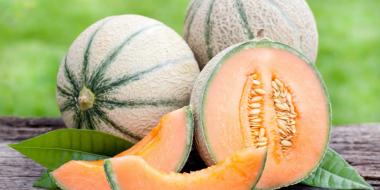
You can see the green melon sheltering in
the straw, the apples and pears still smelling
of Autumn, the black and white raisins which
each housewife has chosen bunch by bunch and left to dry in
the attic under a protective tulle. There are the walnuts,
the hazelnuts, the almonds
These dried fruit are called "mendiants"
or medicants because their colours resemble the habits of the
medicant monks: Carmelitess, Dominicans, Franciscans and Capuchins.
There are the figs, oranges,
and mandarins that Provence has known since
time immemorial. Finally, nougat (the dark
nougat is made on the farm with the honey from the nearby hives
and the almonds from the orchard, but the white nougat is bought
at the confectioner's).
Among the Thirteen desserts, we also count the jams
made during the grape harvest either from grape must
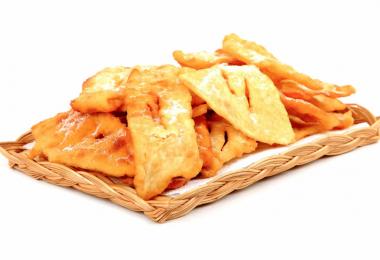
or fig juice to which one has added autumn fruit, and the flat
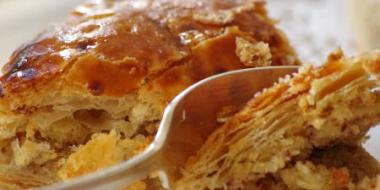
cake made with oil, called "pompe" in Aix
en Provence and Marseille, and "fougasse" in Arles
and in Haute Provence.
And then the fortified wine. The fortified
wine is Jesus himself.
During her flight to Egypte, when the Virgin Mary, pursued and
frightened, tried to hide her child, the date palm parted its
leaves; the Mother smiled, the delighted Child said "Oh",
and this O formed by his milky lips marked the fruit's pit.
From that, ever since, comes the seed of life. The date
remains sacred.