
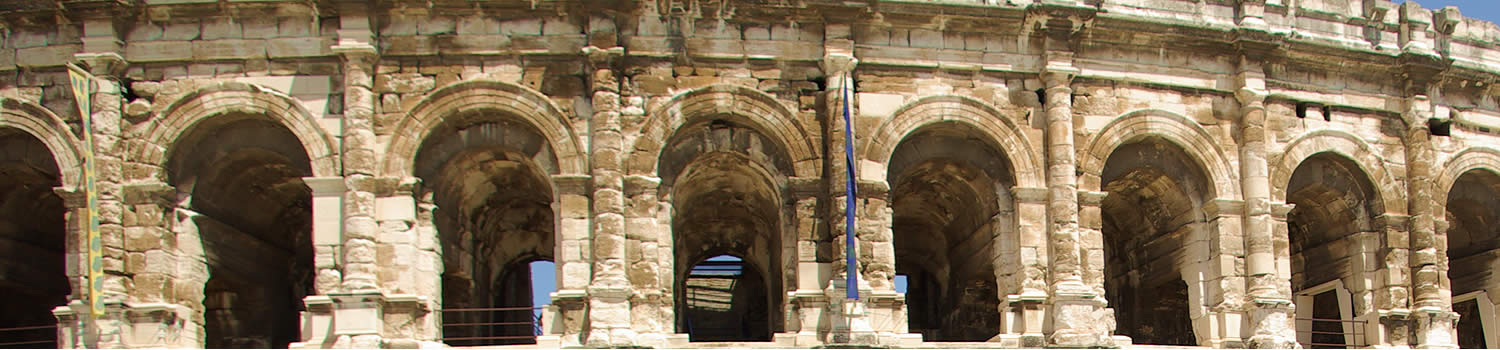
Would you like to visit an entirely intact temple from the 1st century BC? Or a remarkably preserved Roman coliseum? How about gardens with ponds, fountains and sculptures lying below a Gallo-Roman tower and all of it in a pleasant city centre that you can easily explore on foot?
Nîmes, capital of the department of the Gard, offers you all that and more. For one thing, it has to be the most “bullish” city in the world and aficionados won't want to miss the great moments in this land of bullfights, starting with the Féria in the month of May.
The city is also ideally situated for visiting the Pont du Gard aqueduct and enchanting villages of the Cévennes, the Camargue with its vast, deserted stretches of countryside and even the beaches on the Mediterranean just 45 minutes away!
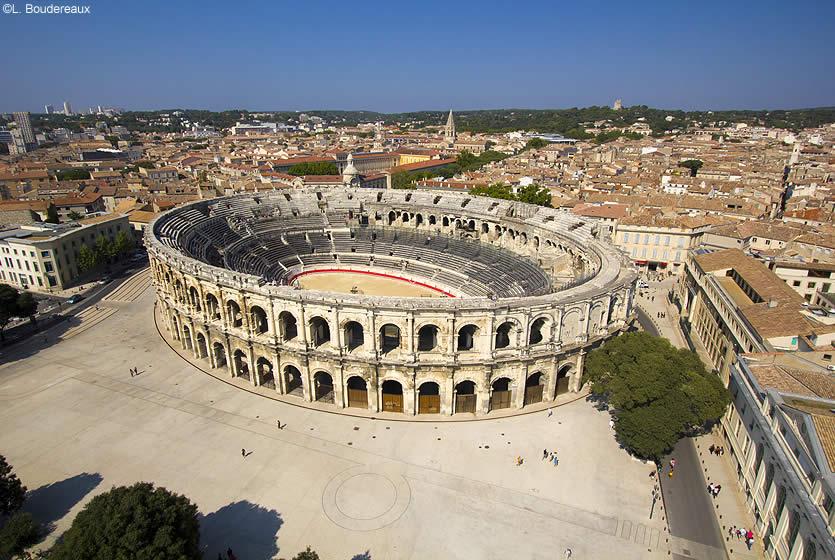
Aerial view of the amphitheatre of Nimes
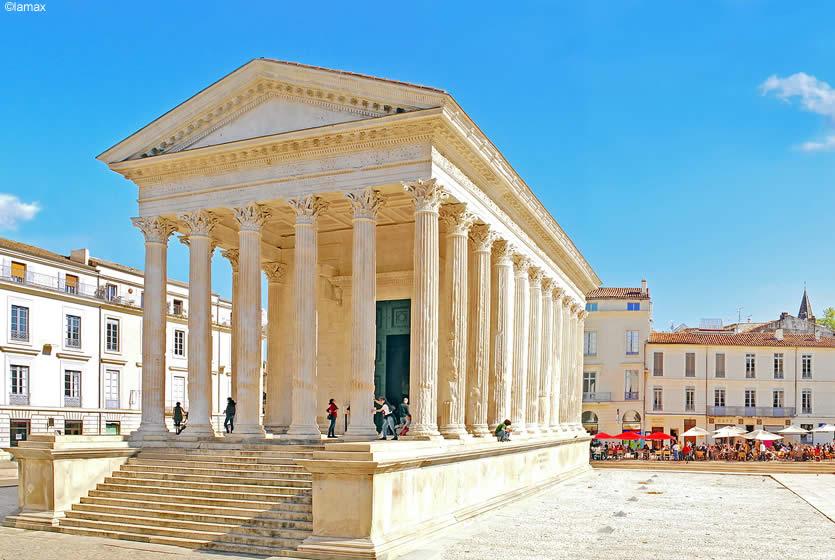
The square with the Maison Carrée in Nîmes, the centre of the ancient forum
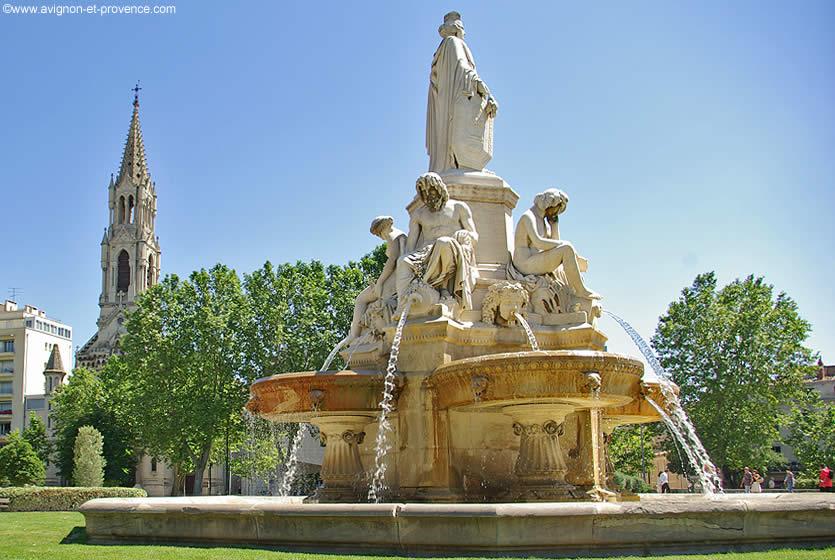
The Esplanade Fountain and Sainte-Perpétue and Sainte-Félicité Church of Nîmes
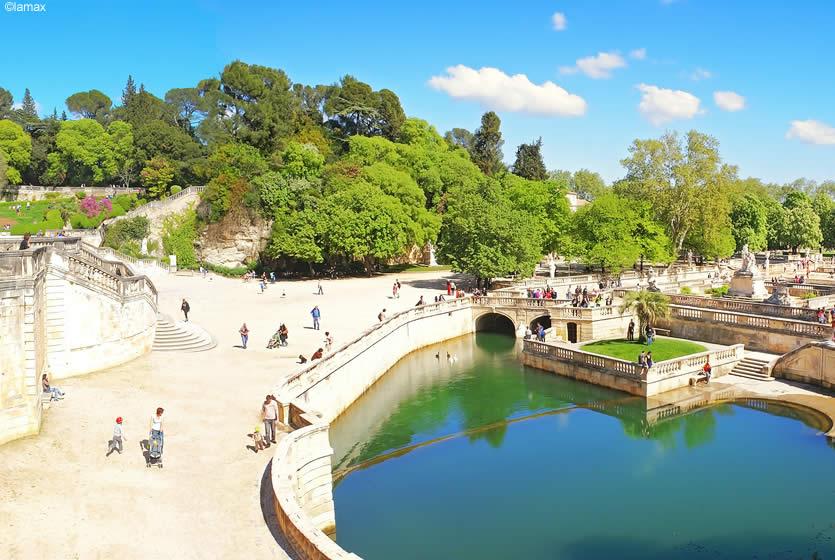
The Jardins de la Fontaine in Nîmes
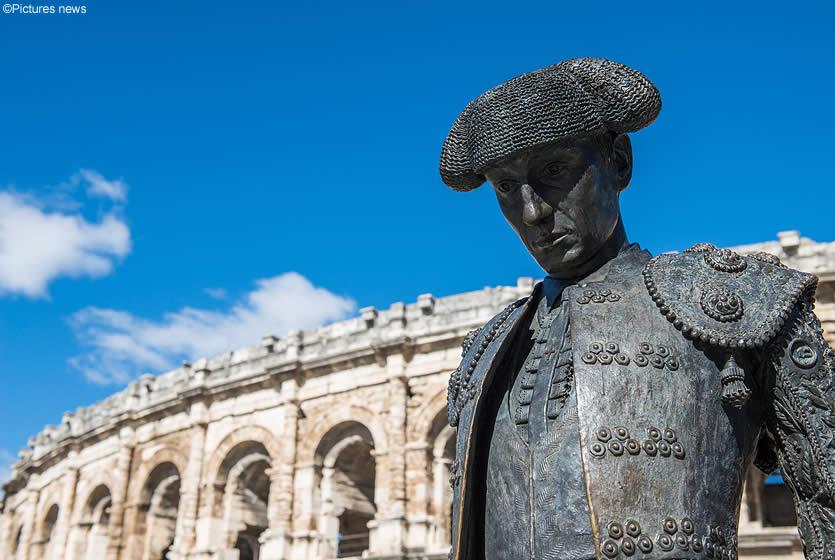
The arena of Nîmes and statue of the torero Nimeño II
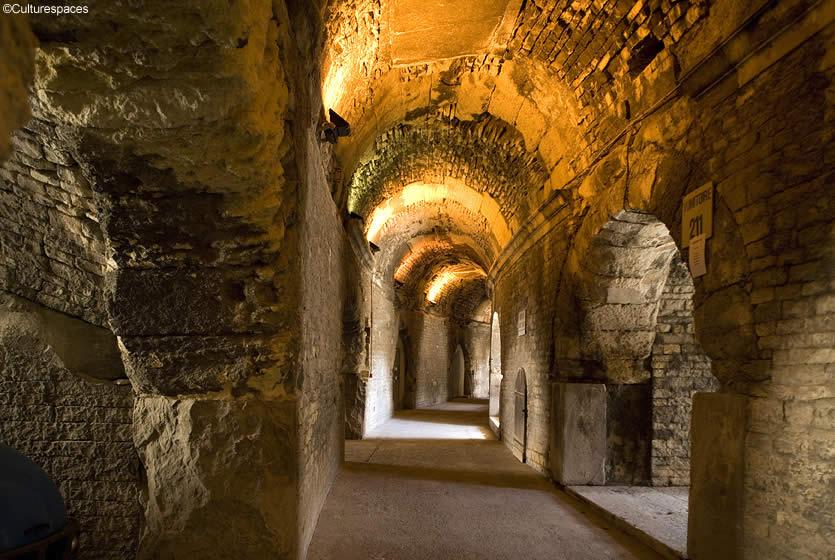
The galleries in the amphitheatre of Nîmes
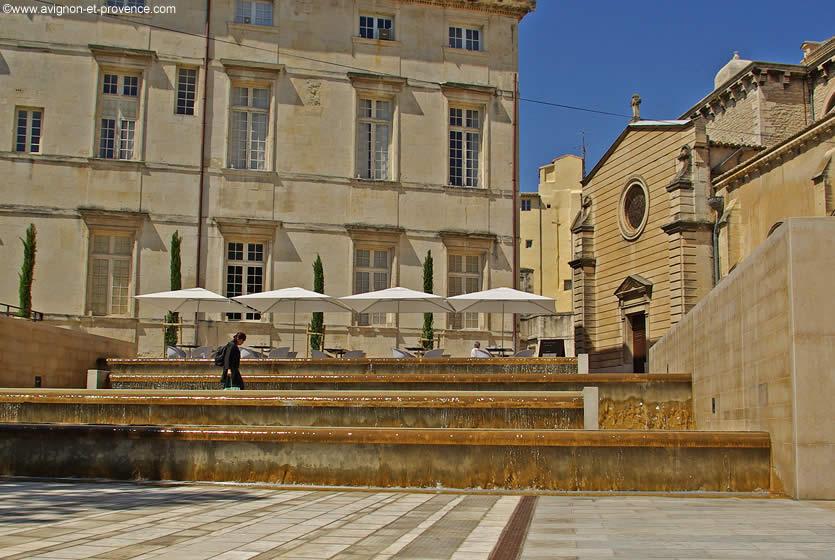
A square and fountains in the city centre of Nîmes
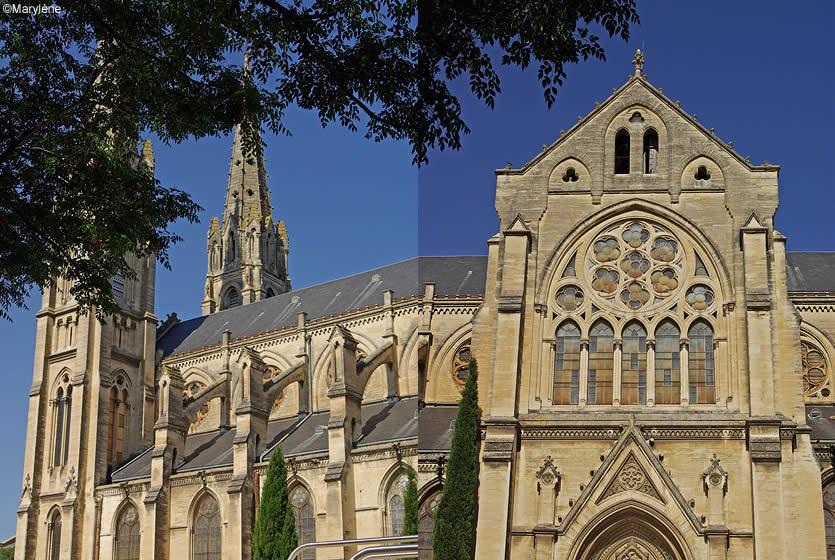
Saint-Baudile Church of Nîmes
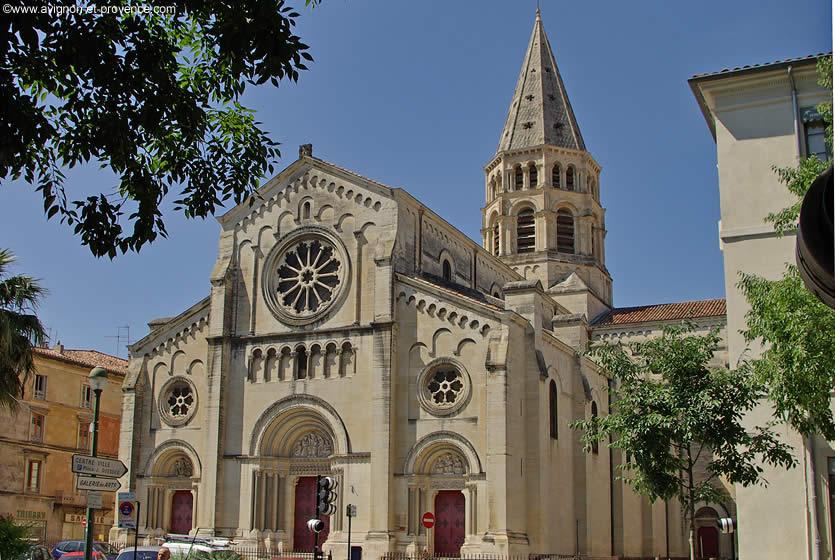
St-Paul Church of Nîmes
The city of Nîmes prides itself on a glorious past that goes back to the 6th century BC. During its more than two thousand years the city has forged a rich and diverse cultural and architectural heritage.
Its history can be read in its monuments.
The oldest is the Magne Tower at the top of Mount Cavalier to the northwest of the city centre, the highest point in Nîmes. Originally a dry-stone tower built to defend the city of Nemausus, capital of a Celtic tribe, the Roman emperor Augustus had it enlarged. Prestigious and strategic, it demonstrated the power of Rome over the colony of Nîmes. From the top of the tower, the views over the city are impressive!
A lovely little pine forest lies between the Magne Tower and the Jardins de la Fontaine gardens, the city's cradle. Although the gardens as you now see them, with the big pond and monumental stairway, date from 1745, the site is much older than that. In fact, it had been an important Gallo-Roman place of worship.
Today, the gardens are a magnificent and peaceful place for a stroll and to take a break from the hustle and bustle of the city centre.
But it is in the city centre that you will find the most spectacular monuments.
Built in 16 BC on a podium dominating the old forum, the Maison Carrée is one of the best preserved temples of the Roman empire. Its preservation is due to the edifice's conversion to a church in the 4th century, which spared it from the mass destruction of pagan temples that took place in the early years of the Christian era.
Next to it, but far from it in terms of style, the resolutely modern Carré d'Art houses the museum of contemporary art and the municipal library. Designed by the British architect Norman Foster and built on the site of an old Neo-Classical theatre that burned down in 1952, this pile of glass, concrete and steel has nine storeys of which half are underground. The building thus keeps a low profile despite having become an emblem of the city and its cultural ambitions. From its rooftop restaurant you can contemplate the Maison Carrée.
But the real emblem of Nîmes is incontestably the arena. This Roman amphitheatre built around the end of the 1st century is one of the best preserved in the world.
Not quite as big as the Colosseum in Rome, it is still just as impressive with its elliptical shape and 21-metre high façade composed of two rows of 60 arches surmounted by an attic. By taking one of the five concentric, vaulted galleries and passing though a vomitorium, you can go sit in one of the 34 rows of seats that accommodate up to 20,000 spectators.
Today, in place of gladiators, the venue hosts bullfights, running of the bulls, concerts, historic reenactments...
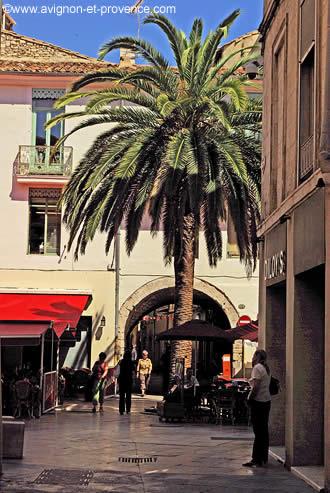
Nîmes, though, does not just live in its monuments. Provençal in spirit, the city is a maze of sycamore-lined streets, squares with fountains and, of course, café terraces, to fully enjoy the sun of southern France while sipping a Costières de Nîmes rosé or sampling the brandade, a regional specialty. When in Rome...
Spanish traditions have also influenced Nîmes and festivals are a way of life here.
The Féria de Pentecôte is the major event of the year with six days of flamenco, marching bands and ceremonies. In April, the Great Roman Games recreate in the arena the ancient tournaments. The Festival of Nîmes is a series of performances in the arena during the month of July: concerts, theatre and dance with some of the biggest names (Mika, Cabrel, Polniareff in 2016). And in July and August, the Nîmes Thursdays enliven the squares in the city centre with crafts and antique markets accompanied by jazz, blues and flamenco bands. Each year in November the Chicago Blues Festival comes to Nîmes and in winter there is the remarkable Flamenco Festival.
Those of you who would like to know more about Nîmes' heritage, history and culture should visit one of the city's many museums: the Museum of Old Nîmes, the Fine Arts Museum, the Museum of Natural History or the Museum of Taurine Culture, while awaiting the opening of the Musée de la Romanité in 2018.
Art of living
Gastronomy, markets of Provence, regional products, Christmas traditions, celebrities of Provence....