www.avignon-et-provence.com |
| Home | Accommodation | Tourism | Leisures & Relax | Seminars | Gastronomy | Wines | Shopping | Espace Pro |
|
|
| > Tourism | Promo & Last Minute |
|
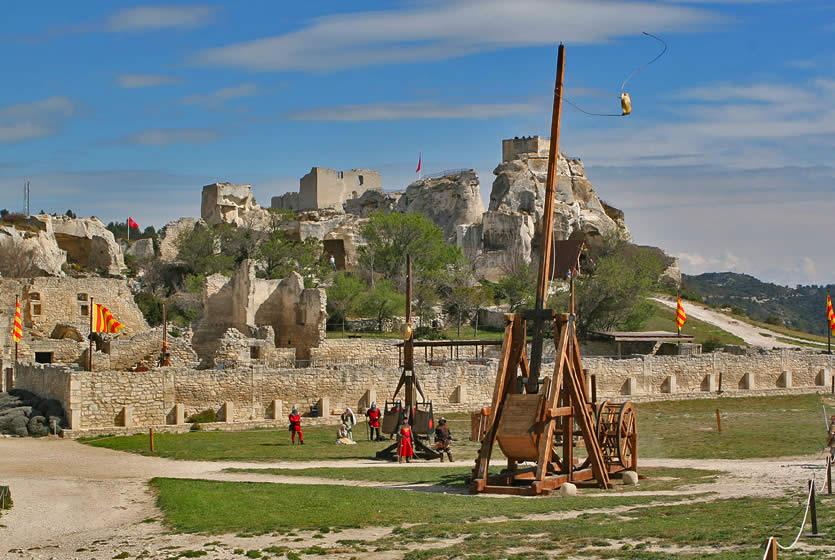
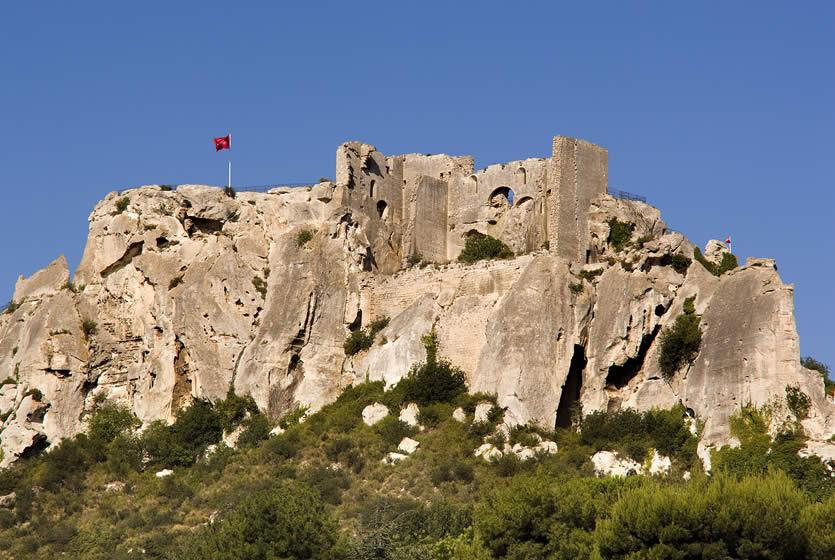
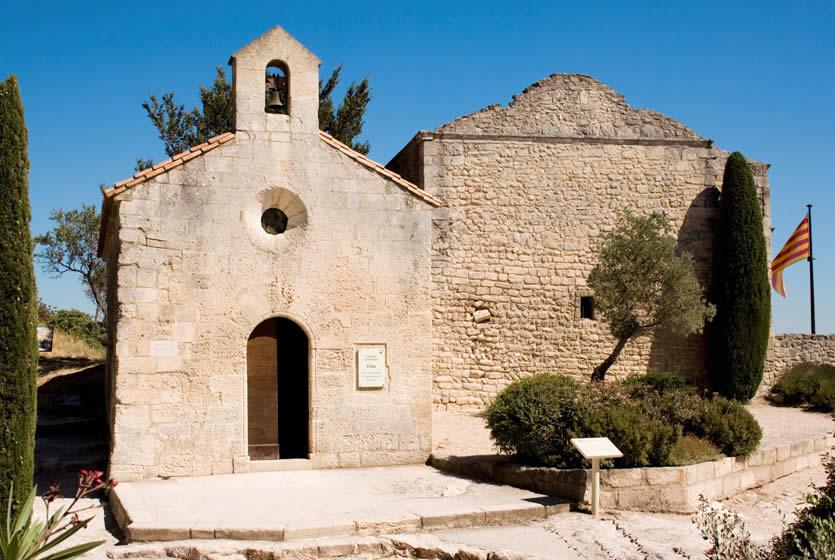
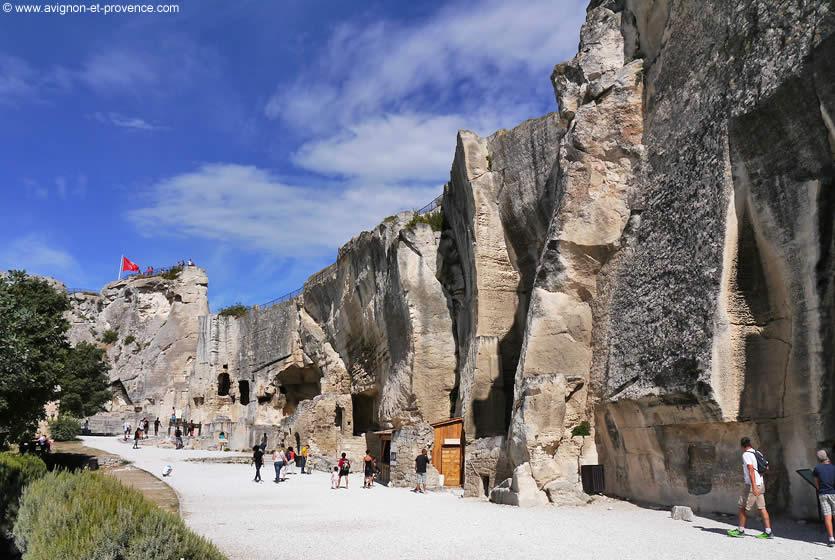
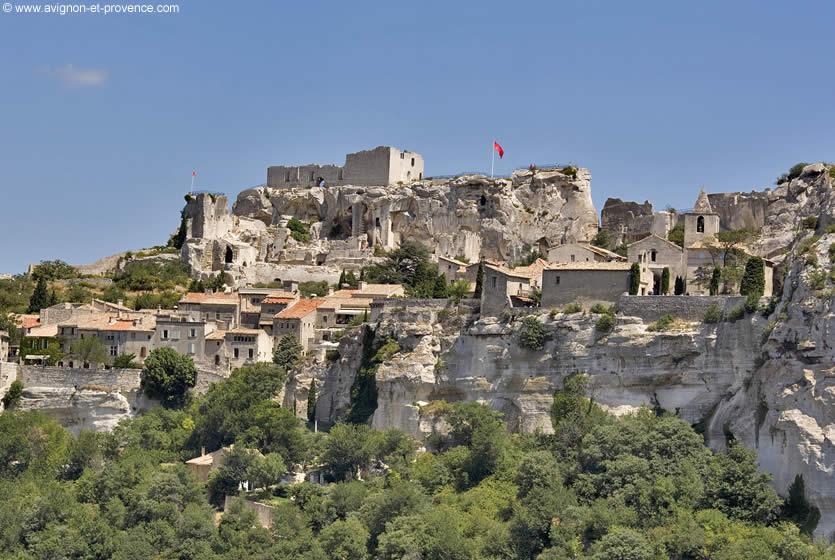
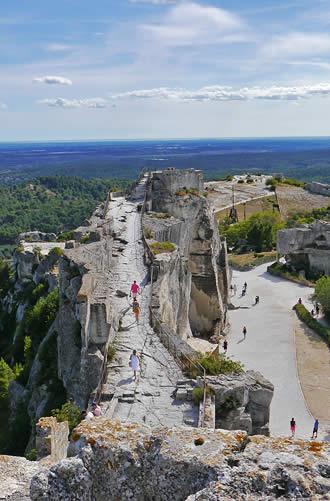
A legendary name In the words of Mistral, the Lords of Les Baux were "never vassals". He could not be more right : these noblemen were among the most powerful feudal lords in France’s Midi. For five centuries, they ruled 79 fiefs with an iron hand, crushing all insubordinance. In this regard, their reputation is without question, and it was with vehemence that they defended the honour of their lineage. Let History reveal the legend... The princes of Les Baux de Provence claimed to be the descendants of one of the three Magi, Balthazar, to whom they dedicated their motto. In homage to the star that had guided them, the Magi sanctified the evening star, which became Saint Estelle. This was the sixteen-pointed star borne on the coat of arms of the Lords of Baux. With such blood running through their veins, it was no wonder the Lords of Baux asserted their authority. Who could deny them, if not History itself ? However, political events did not turn out in their favour. In Provence, times were changing. It was on the verge of becoming a kingdom itself... but it had powerful neighbours. Intoxicated with freedom and ambition, the Lords of Baux could not keep the encroaching kingdom of France at bay. A few familiar names in the history of Les Baux de Provence The memory of some symbolic figures has survived these troubled times. For nearly twenty years, Raymond des Baux waged the Baussenque wars (1145 to 1162), fighting the Count of Barcelona for the earldom of Provence. Raymond de Turennes, an adventurer who ravaged the region, was known as "the scourge of Provence". A terrible nickname, but one well earned : he found throwing prisoners off the top of the castle to be an effective solution. Then there was Alix des Baux, the last, solitary heir of the lands of Les Baux de Provence. When he died in 1426, so too did the turbulent lineage of the Lords of Les Baux. As for the castle, it survived a few more years until its destruction in 1483. Rebels and courtiers But do not think that these lords were merely brutish thugs, solely preoccupied with spilling the blood of their neighbours. Cultural life, which was particularly rich in Provence, flourished in the famous Courts of Love. Here, poets and troubadours came to sing their songs of Love to the ladies of Baux. The contrast could not be sharper. Politics and culture were finely - but assuredly - balanced. But what exactly was a Court of Love ? It was of a kind of social game : lords and ladies would debate a "case" pertaining to love (for example, "is jealousy between two lovers reprehensible ?"), and would deliver their verdict with affected solemnity. The lords themselves were not lacking when it came to poetic sparring. If they launched an attack, it was only out of courtesy to the ladies to whom they addressed their verse (as in the case of Rimbaut of Orange and the Countess of Die, herself a poetess). As for the troubadours, Fouquet de Marseille sang the praises of Adélasie, wife of Gérard de Baux. Giraut de Bornelh and Elie de Barjols travelled the region in search not only of Press Release – Château des Baux de Provence - 2006 patrons, but also other poets with whom they could exchange "tensons", satirical couplets, in which two poets exchanged witty ripostes. A hard, but nonetheless elegant, life. Cold walls, heated only by the tender verses of the troubadours. Destruction By the beginning of the 15th century, the seigniory, part of Provence, had become a mere barony. King René gave it to his queen, Jeanne de Laval. However, after the castle’s destruction by Louis XI (in 1483), he entrusted the barony to governor captains. The most famous of these, Constable Anne de Montmorency, embarked on considerable restoration work, and the town saw a return to splendour. The Constable had the Treasury archives transferred to the citadel from Aix, where they were under threat from Charles V’s troops. Caution, the essence of politics. Les Baux de Provence became a bastion of Protestantism under the Manville family, who managed the barony for the Crown. The lassitude of Richelieu The period of peace would not last long. In these lands of perpetual conflict, unrest returned with a vengeance. The city caved in. Embroiled in its umpteenth revolt, it was besieged once more. This time, in the face of such insubordination, Richelieu’s patience finally ran out : weary of constant unrest, he decided to annihilate this hotbed of rebellion, destroying the castle and ramparts. Heroically defended for 27 days, in the end the proud citadel submitted to the throne. Less than two hundred years later, Les Baux at last became the marquisate of the Grimaldi royal family of Monaco. In 1791, they joined France in return for money. The calm before another storm Suffering from the loss of its political and military status, the village of Les Baux de Provence saw its population plummet, the deserted citadel becoming a "dead city". Only the major Provencal poets, such as Frédéric Mistral and Alphonse Daudet, would still defend these fascinating ruins. It was not until 1821 that Les Baux de Provence would become a topic of conversation once more, when geologist Berthier discovered an aluminium-yielding red rock in the area, which he named "bauxite". Curiously, Les Baux de Provence owes its rediscovery to a non-political event. After a thousand years of unrest, a century of peace seemed to last an eternity ! And so it was that in 1945, the opening of the celebrated "L’Oustau de Beaumanière" restaurant attracted Heads of State, artists and celebrities. Their coming marked the rediscovery of Les Baux de Provence by the general public, aware of its uniqueness. Since 1992, Château des Baux de Provence has been a hive of activity, with excavation and restoration programmes enhancing its appeal even further. |
SARL Provence.com 1996-2008 | © Avignon
et Provence | All rights reserved
|
Contact
Provence.com | Site Map Noncontractual photographs and texts. Information is given on this site as an indication and do not engage to in no case the responsibility for Provence.com. |
||
|
|
||