
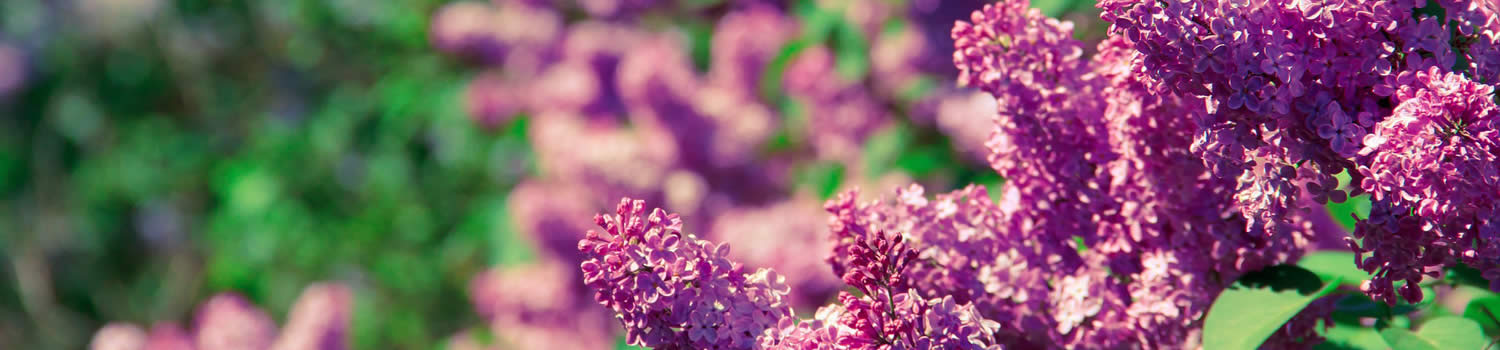
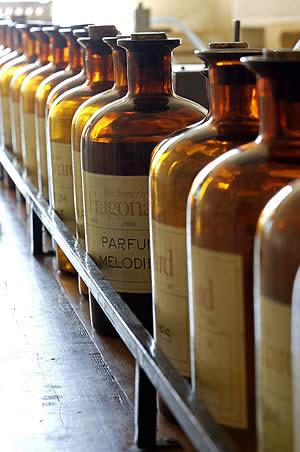
The history of the Maison Fragonard begins in Grasse in 1926 when Eugène Fuchs opened a perfumery named Fragonard, in homage to the famous painter from Grasse.
The 18th century building, which housed at the time the perfume factory, is today the Historic Fragonard Factory in the heart of the old town of Grasse.
Historic Factory & Perfume Museum
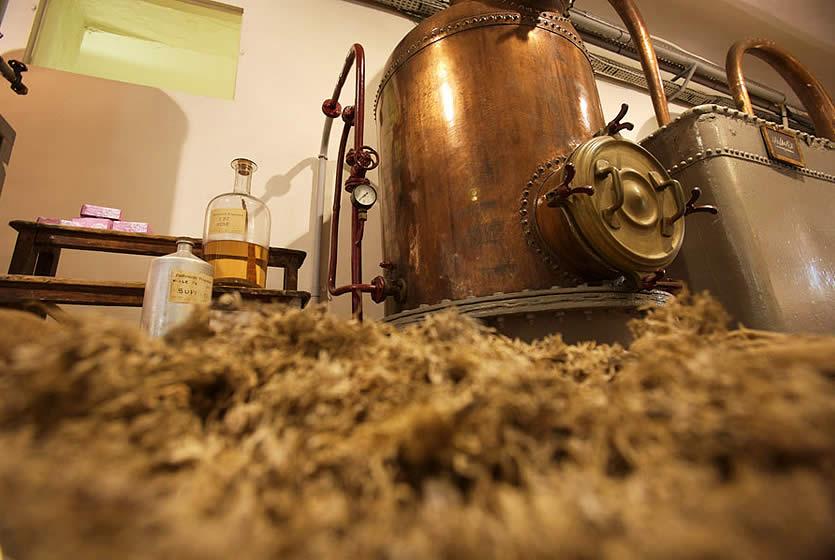
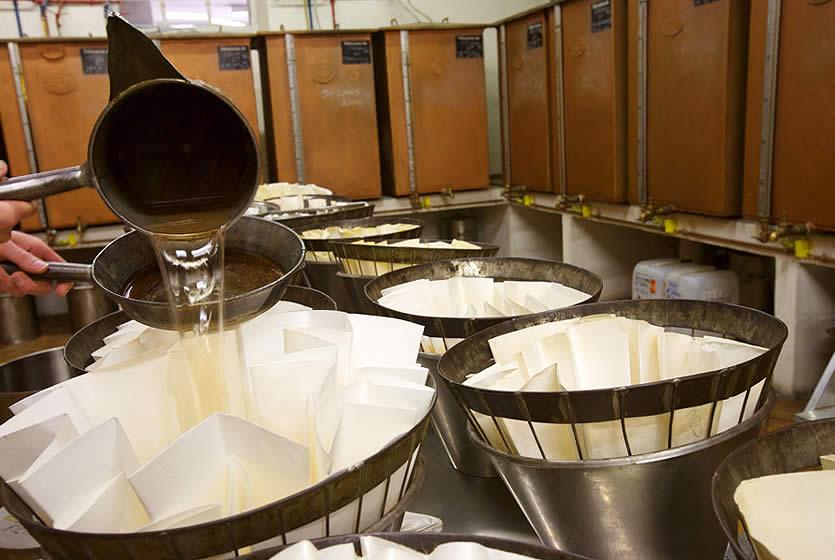
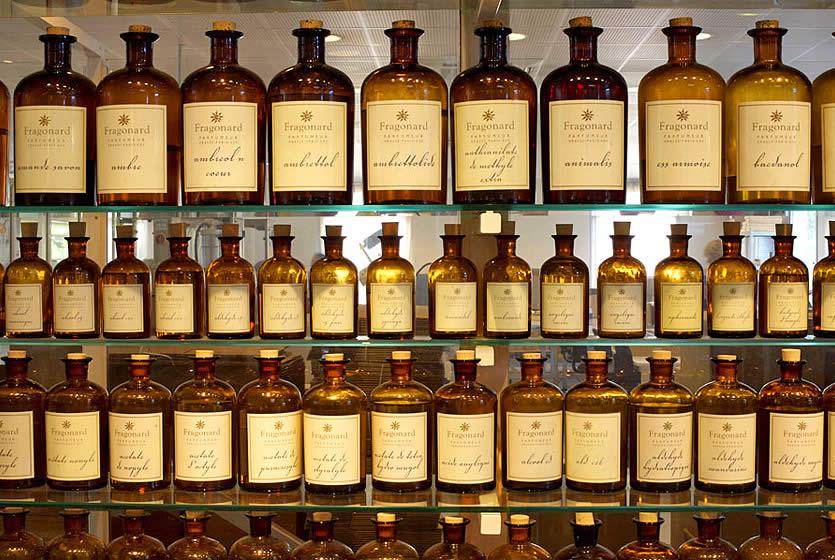
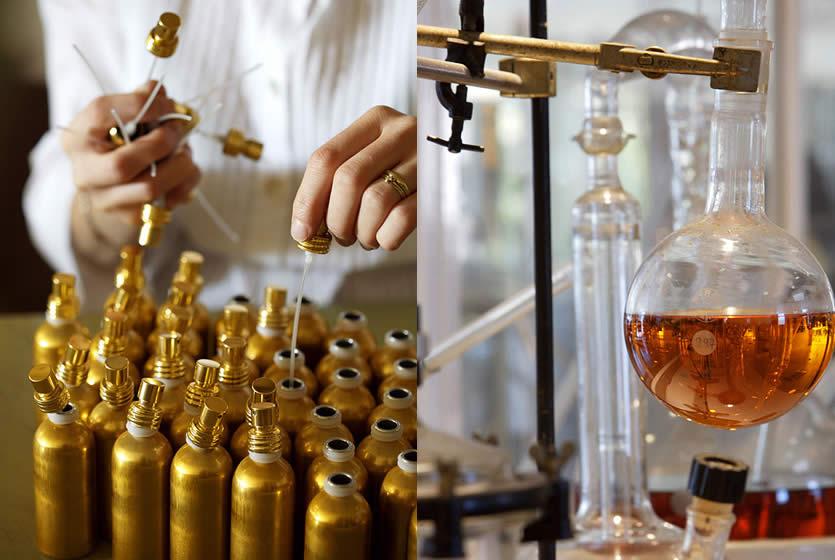
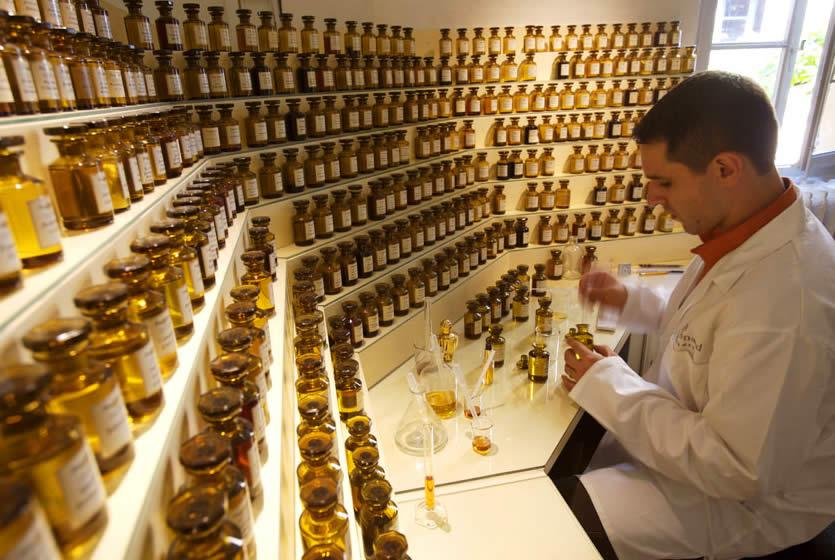
A guided tour lets you discover the world of perfume and the different steps in its fabrication, from the selection the flowers up through the packaging.
The Perfume Museum, situated on the first upper floor of the factory presents the history of perfume since Antiquity to the present day through a beautiful collection of stills, flasks, boxes, documents...
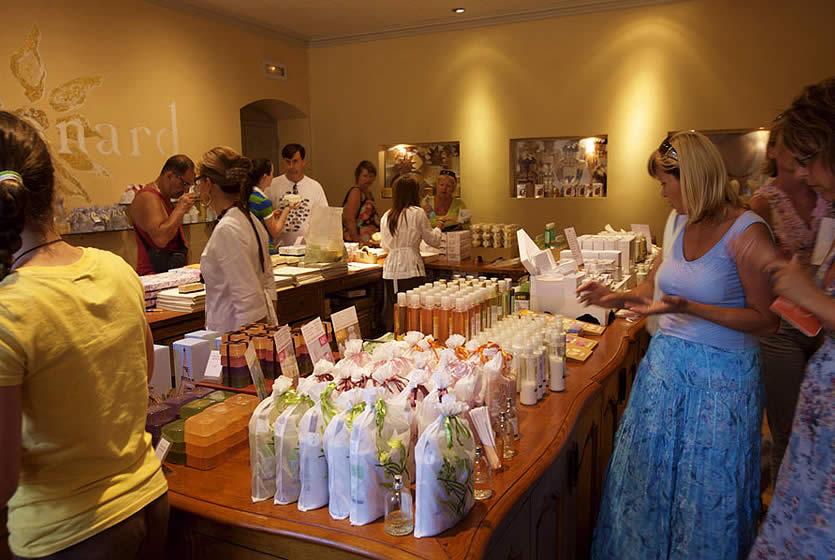
You can continue this olfactory moment with a visit to the museum's shop, which sells products at factory prices.
At the entrance to Grasse, the Fabrique des Fleurs, surrounded by splendid gardens, offers you a free tour of the laboratories and bottling rooms. Contemporary, it shows you how modern techniques have been combined with traditions.
A stone's throw from the Historic Factory, visit the Provençal Museum of Costumes and Jewellery, situated in the former home of the Marquise de Cabris, Mirabeau's sister. You can admire a superb collection of Provençal costumes and jewellery from the 18th and 19th centuries as well as clothing that recounts the daily life of the Provençal people.
The Fragonard Maison and Fragonard Confidentiel boutiques offers a whole range of Fragonard products with new creations for the home as well as jewellery, dresses, silk coats...
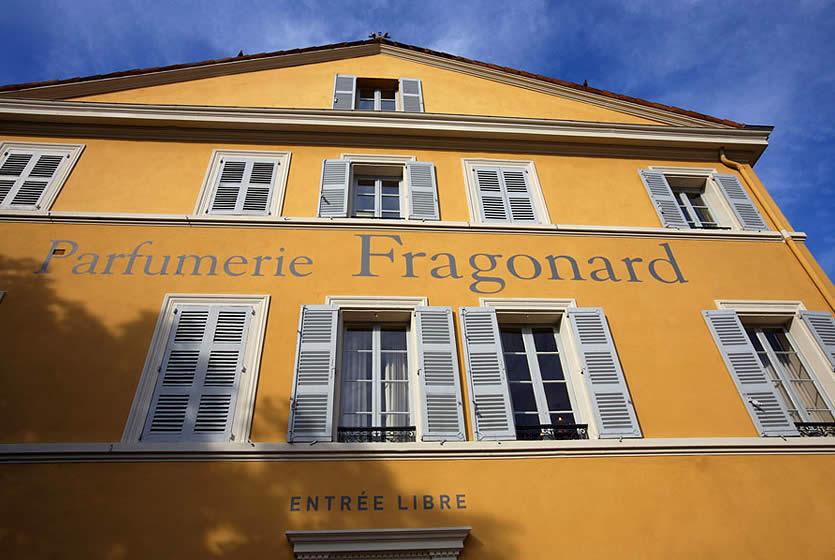
L'usine historique Fragonard - 20, bd Fragonard - 06130 Grasse
+33 (0)4 93 36 44 65
http://www.fragonard.com/Other accommodations
Bed and breakfastWhere to sleep?